
Finding Our Way in A New Era of Writing Instruction

For a while now, I have been grappling with a range of emotions regarding artificial intelligence — from trepidation to curiosity, from dread to hope to excitement– just like writing instructors everywhere.
I work in the classroom with students each day, so I see and hear their range of emotions and experiences regarding generative AI as well, from those trying to pass AI-generated text off as their own to those who view the new technology with disdain.
A balanced approach is possible, and everything I write about strives to walk that tightrope of acknowledging the easy access student writers have to this technology, the limited time we have with them for writing instruction, and the importance of writing in developing the depth and breadth of our students’ thinking.
Getting Started
Sometimes, you just need the right wording to approach AI successfully. If you are looking for some ideas, here are a few lines I have found useful when talking to students about the use of artificial intelligence tools in the writing process.
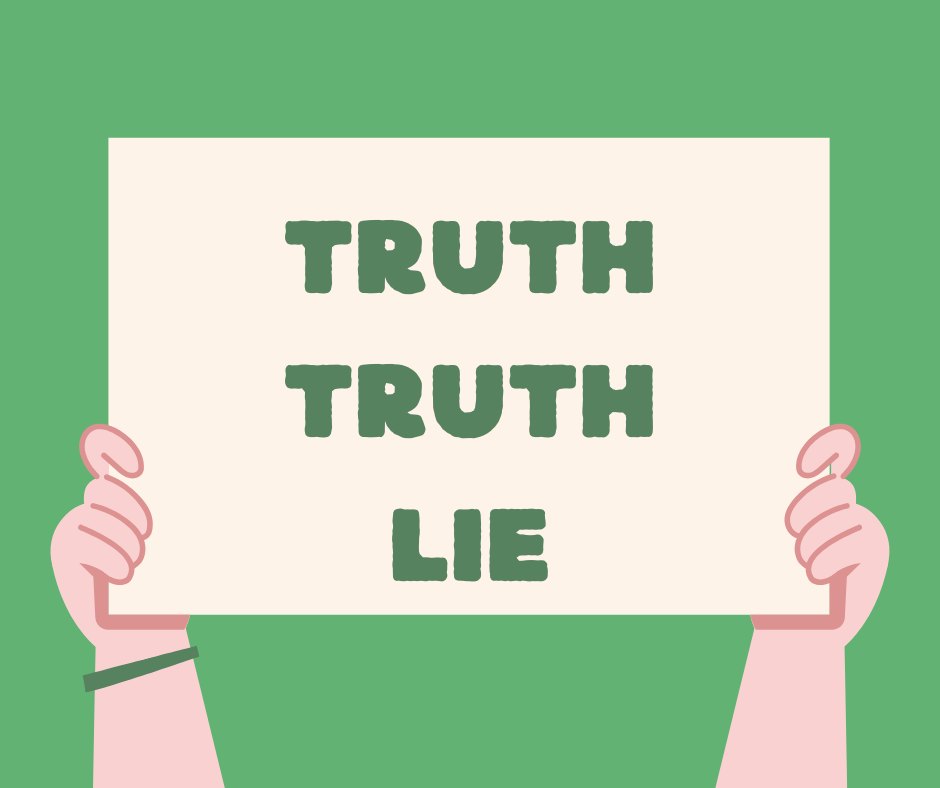
Foundationally, it can also be helpful to consider these Two Truths and a Lie About AI in the classroom.
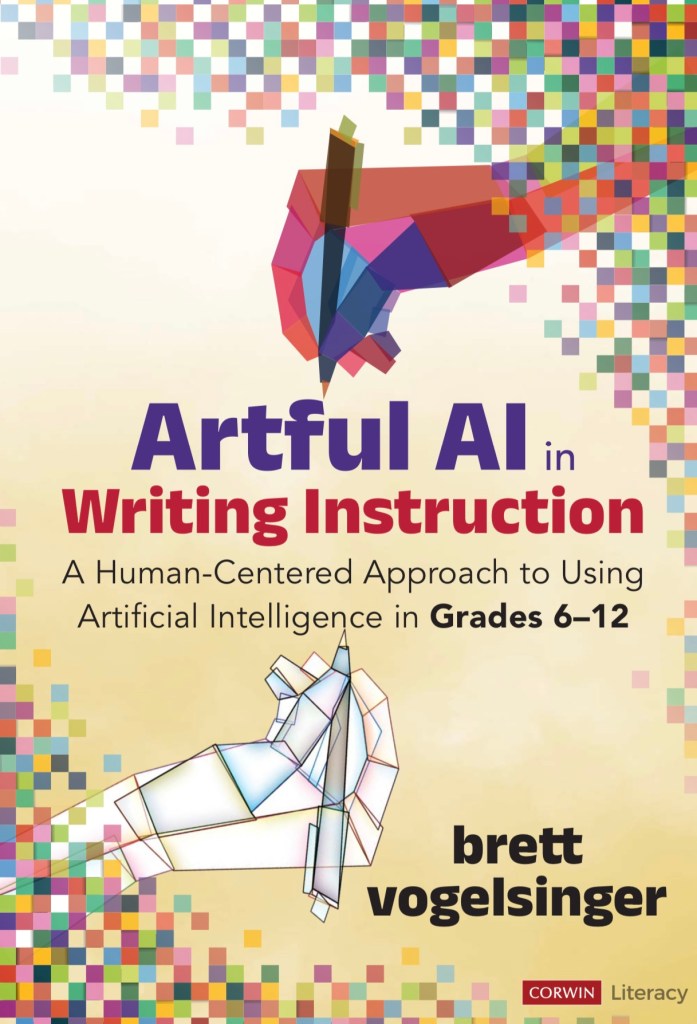
Click the cover below to order a copy of my book, Artful AI in Writing Instruction (Corwin 2025) from an Amazon affiliate link.
Podcast Conversations and Webinars
Here is a conversation with Marcus Luther and another with George Couros where we talk about AI in the classroom, including some ideas from my new book, Artful AI in Writing Instruction: A Human-Centered Approach to Artificial Intelligence in Grades 6-12.
Check out this FREE WEBINAR from Corwin about Artful AI in Writing Instruction, and watch my recent Instagram Live on Barnes and Noble Classwork!
Articles to Read and Share
The Transparency Survey (published November, 2025 on The Important Work)
AI in the Classroom Can Be Like My Mother’s Microwave (published July, 2025 on Moving Writers)
When AI Wrote the Essay: Four Strategies for Addressing AI Cheating With Students (published June, 2025 on Moving Writers).
What Does It Mean to “Use” AI? (published June, 2025 on The Important Work, from Jane Rosensweig of The Writing Center at Harvard University)
Artificial Intelligence and Writing: Four Things I Learned Listening to my High School Students (published September, 2024 on John Warner’s Substack)
AI Meets AP: A Collaboration Between Top Writers and ChatGPT (published October, 2023 on Moving Writers)
Inviting Artificial Intelligence With Curiosity (published May, 2023 Corwin Connect Blog and republished December, 2023 on the NCTE blog)
Featured In
These articles quote my thinking briefly in EdWeek and Science News and NBC News.
Looking to Work With Me? Let’s Talk!

Here are some talking points you can use to help your organization quickly understand my approach to this topic as a consultant and PD presenter.
My Approach to Generative AI
- Human-Centered: We must engage with technology in ways that help the young people we work with to learn and grow.
- Cautious: We must guard against practices that erode thinking in the classroom and provide active models of how we do this in our own interactions with AI.
- Developing: We must allow our practices about AI to change over time, responsive to research and our classroom experiences. Our first reactions regarding AI will likely not be our best conclusions.
Key Questions I Consider with Teachers
- How can we build on what we know about adolescent development, high-quality writing instruction, and our own individual strengths as teachers?
- How do we assure we are using AI to help students grow their thinking and their skills rather than bypassing that development?
- How can we approach new technology with humility, critiquing its drawbacks, harnessing its strengths, and listening to our students’ experiences.
What I Bring
- Responsiveness: AI tools evolve quickly. I help teachers develop sustainable principles and practices that will have a longer shelf life than any single tool.
- Practicality: I work with my high school students every day. I develop and share practices that are not mere theory or thought leadership, but methods that are effective with real students right now.
- Balance: I learn with and from teachers who are enthusiastic about AI and those who are extremely guarded. I have personally navigated and negotiated these sentiments in my work with AI, so I empathize and seek balance in my guidance.
 Brett Vogelsinger